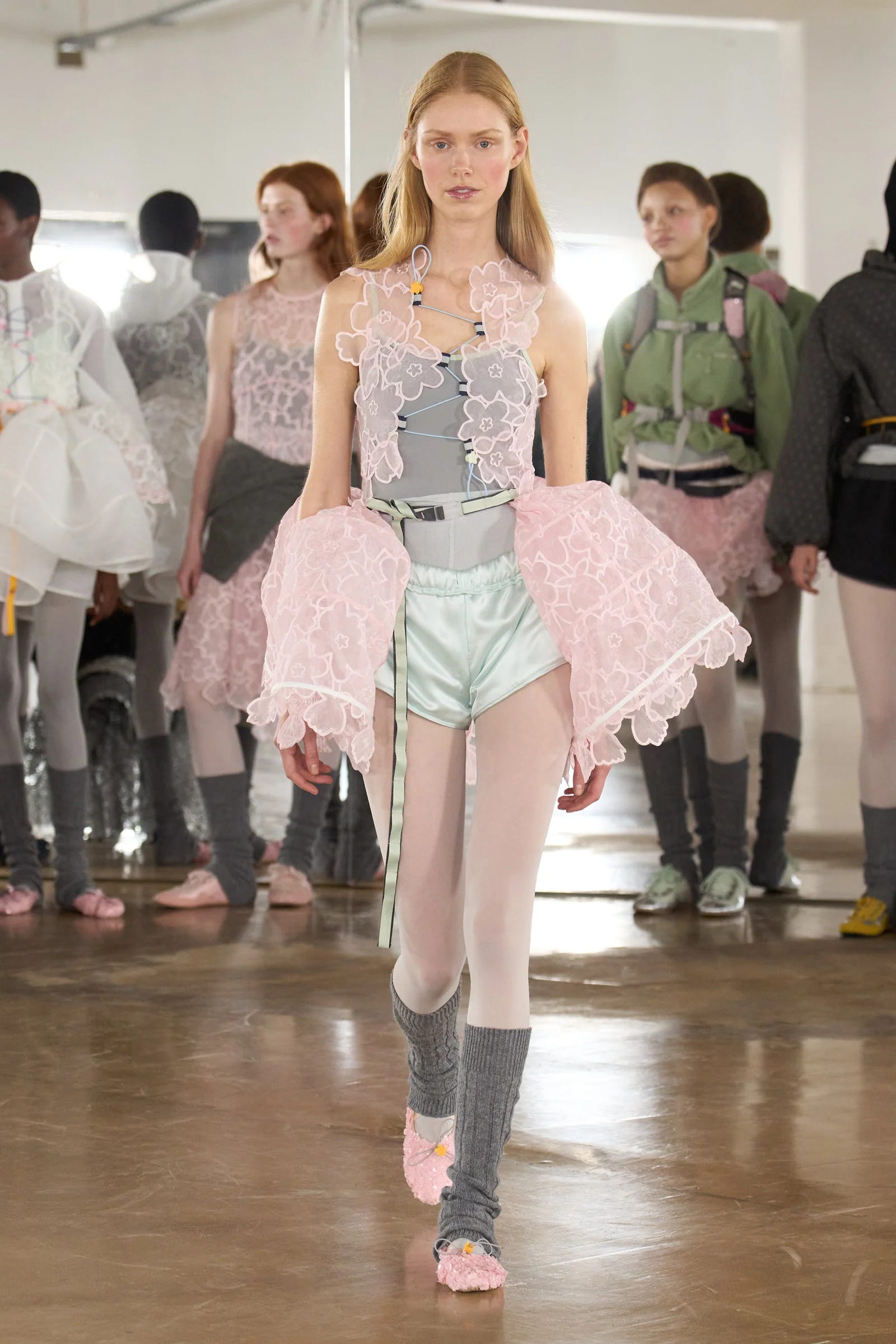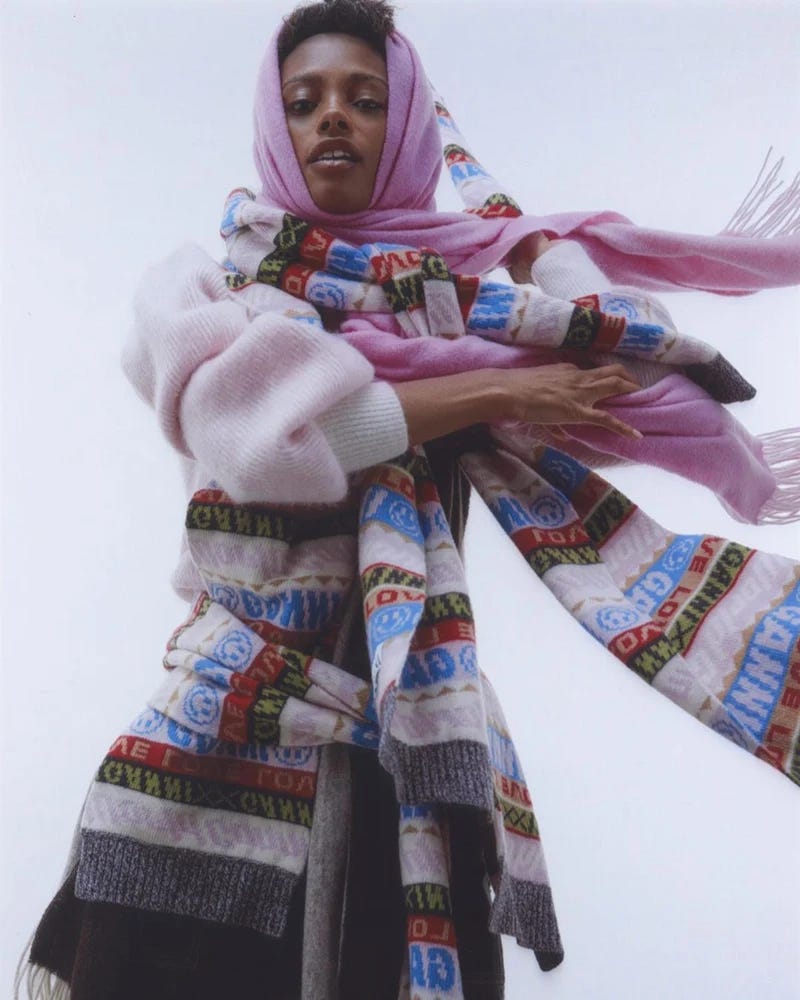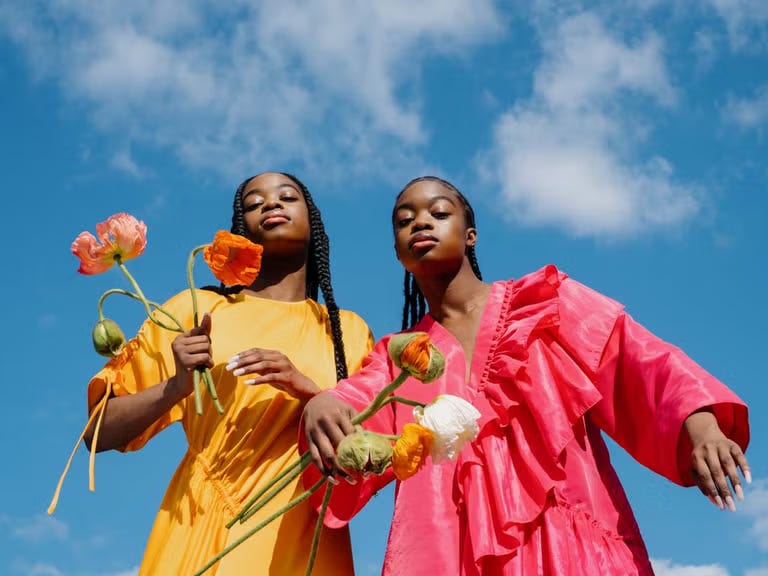

For most of the twentieth century, Copenhagen was not a fashion city. There was no week that mattered, no tradition that travelled, no name that non-Scandinavians recognised. The industry had its own logic, and Denmark was not part of it.
Then, in the space of roughly fifteen years, that changed. Not because Copenhagen hired the right consultants or copied the right cities — but because a generation of Danish designers decided to build something that could only have come from here. Democratic in price, specific in personality, responsible by design. Copenhagen Fashion Week made sustainability mandatory for every brand on its schedule. Danish fashion exports grew 84 percent in twenty years.
Paris noticed. Then the rest of the world did too.
The Idea
Danish fashion has always had a problem with fashion as a system. Not fashion as clothes — that part was fine. Fashion as spectacle, as exclusivity, as a mechanism designed to make most people feel they could never quite afford what they wanted: that is what Danish designers pushed against.
The answer was something the industry now calls “democratic luxury.” Clothes that were well made, well considered, and designed to be worn by actual people in actual life.