


The Beogram 4000 is in the permanent collection at MoMA. It’s a record player.
But when Jacob Jensen designed it in 1972, he wasn’t thinking about records. He was thinking about what it felt like to stand in a room with it.
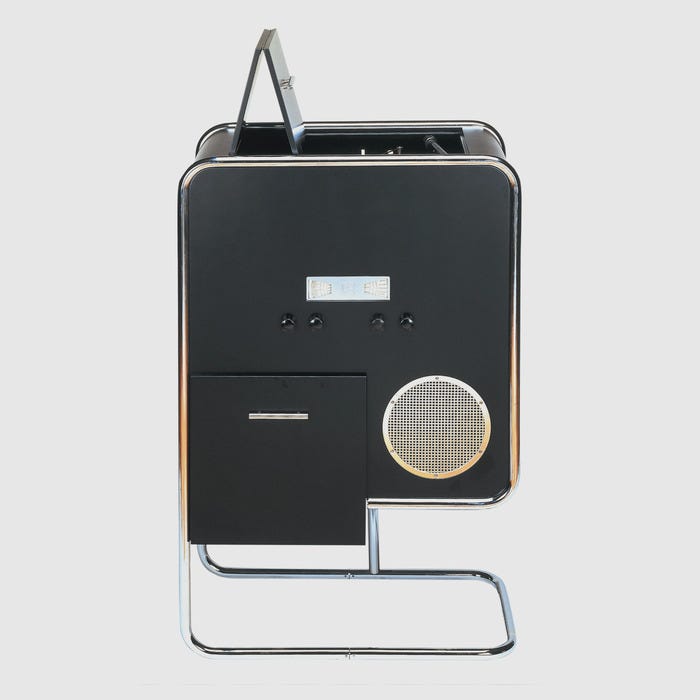
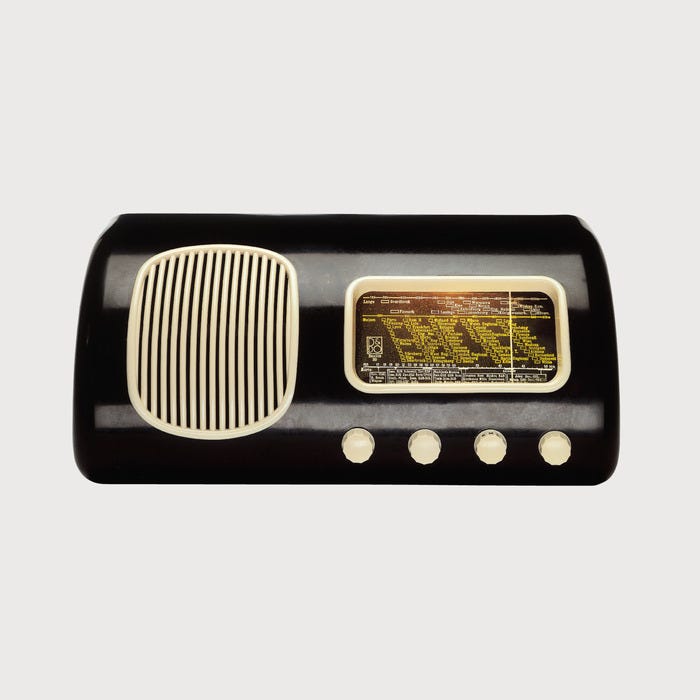
That instinct — that a speaker, a radio, a television could be as beautiful as what it does — is what made Bang & Olufsen one of the most distinct companies in the history of design.
The Idea
Most electronics companies in the twentieth century thought about function first. The box that held the technology was a box. It could be styled, decorated, made to look friendly or futuristic — but the design was surface.
Bang & Olufsen asked a different question. What if the object deserved to be in a room even when it wasn’t on? What if the form carried the same intention as the sound?


